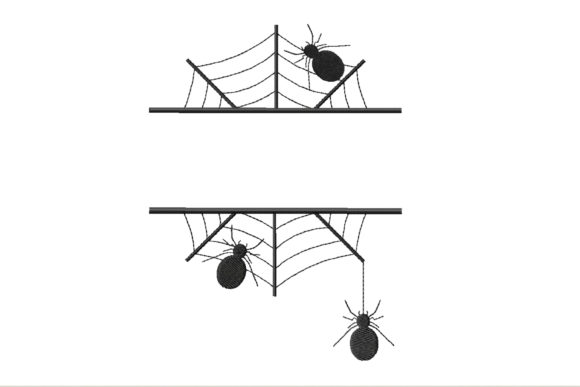
Spider Web Frame Review for Small Business Merch
After nearly a decade in commercial embroidery, I have learned one truth that surprises most shop owners: a single, well-chosen machine embroidery design can reshape how a brand feels to customers. When I first opened the Spider Web Frame file and examined the stitch preview, I immediately saw something more useful than a simple seasonal decoration. I saw a business asset. For small cafés, handmade boutiques, bakeries, pet brands, florists, and creative studios looking to add personality to their merchandise this Halloween season, this design has real potential. But like any embroidery file, it needs an honest review before you trust it on a customer-facing product.
First Impressions and Visual Personality
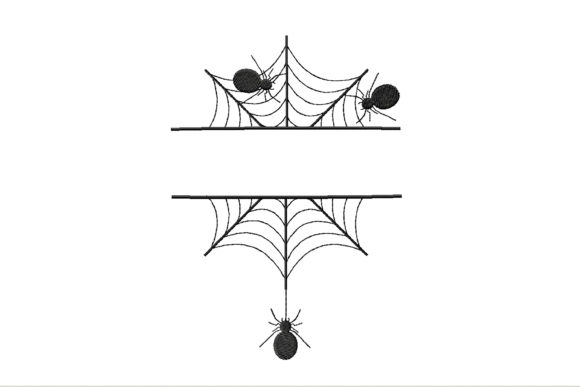
The Spider Web Frame lands somewhere between playful and elegantly rustic. It is not cartoonish, which matters tremendously for business use. Many Halloween-themed designs veer too childish for a boutique brand, but this one holds a decorative, slightly handcrafted quality that reads as intentional rather than cheap. The frame structure itself suggests containment, making it ideal for placing a business name, initials, or a small icon in the center. Visually, it feels like something you would find embroidered on a premium canvas tote, a structured cap, or the chest pocket of a work shirt at a specialty coffee shop during October. The personality is bold enough to be noticed, yet restrained enough to complement existing brand identity rather than overpower it.
What struck me during the digital review was how well the open web structure allows negative space to breathe. Too many dense embroidery designs suffocate the fabric beneath them, but the spaced-out threads in this web pattern suggest a lighter stitch density, which often means better drape on soft garments and less puckering when properly stabilized. For a small business producing dozens of units for seasonal staff or event merchandise, that is a practical win.
Real Business Applications for Spider Web Frame
Let me move beyond theory and describe exactly where this design earns its place in a commercial embroidery workflow. I work with small brands regularly, so I evaluate every digital embroidery file by asking one question: how many products can this live on profitably?
Embroidered Patches for Branded Merchandise
My first instinct with the Spider Web Frame is to turn it into an embroidered patch. Imagine a café or bakery producing a limited-edition patch for October. Stitch it on sturdy felt or twill backing with a merrowed edge, and you have a collectible item customers can sew onto jackets, backpacks, or apron straps. For Etsy sellers and handmade brands, small-batch patches are a smart revenue stream. The frame shape naturally borders the design, which simplifies patch finishing. If your shop already offers custom apparel, adding seasonal patches to your catalog using this design could create urgency and repeat buyer engagement.
Staff Uniforms and Apron Embroidery
A florist I work with changes their team apron design every season. For Halloween, they needed something that felt handcrafted and approachable. The Spider Web Frame fits that brief remarkably well. On a cotton canvas apron, stitched in charcoal or deep orange thread, the frame serves as a decorative accent on the chest or upper bib. It frames the shop name beautifully if you digitize lettering inside, or it stands alone as a subtle branded mark. The key here is placement: keep it to the left chest or centered high on the bib for maximum visibility without interfering with apron ties or pocket function.
Caps, Tote Bags, and Everyday Branded Items
Cap embroidery is notoriously unforgiving. Curved surfaces demand designs with clean outlines and manageable stitch counts. The web structure of this frame, with its open interior, should perform well on structured caps if you pay attention to pull compensation during hooping. I would place it on the front panel, slightly off-center for a modern streetwear look, or centered above the back arch for a subtler detail.
For tote bag design, this is where the frame truly shines. A natural cotton tote with the Spider Web Frame stitched in black or espresso brown thread creates an instant seasonal accessory. Small boutiques can offer these as customer gifts with purchase during October, or sell them outright as limited merch. The finished product photographs beautifully for social media, and because the design suggests Halloween without screaming it, customers often use the tote year-round, extending your brand exposure.
Where to Use Spider Web Frame Carefully
Not every surface or size works equally well. Through experience, I flag several scenarios where even a promising machine embroidery design can disappoint if applied without testing.
- Small patch sizes under two inches. The web detail may close up and lose definition. Test a sewout at the smallest intended size before committing to a bulk order.
- Dark uniforms with black thread. Contrast is everything in embroidery. If you stitch a black web on a black polo or apron, the design vanishes. Consider charcoal, silver grey, or even a muted orange to maintain visibility.
- Highly textured fabric. Toweling, thick fleece, or loosely woven linen can distort the fine web lines. Use a topper stabilizer and test on the actual garment, not just a sample swatch.
- Curved cap fronts near the seams. The frame shape may warp if placed too close to the center seam or side panels. Center placement with adequate clearance is essential.
- Items that need frequent washing. If this goes on work shirts washed weekly at high temperatures, thread quality and dense underlay become critical. Do not skimp on polyester thread meant for commercial laundering.
- Lettering inside the frame. If you plan to add a business name or monogram in the center, confirm the open area dimensions on the actual sewout. Digital previews can mislead on spacing.
Brand Identity and the Power of Seasonal Design
Small business owners often worry that seasonal designs cheapen their brand. I understand the concern. But seasonal does not mean disposable. The Spider Web Frame works because it functions as a decorative motif, not a costume piece. When I imagine a handmade soap company using this frame on their fall product labels, or a pet brand stitching it onto a bandana for their Halloween collection, the design elevates the finished product rather than dating it.
Visually consistent branding relies on deliberate choices. If your logo already uses organic lines or hand-drawn elements, this web frame complements that aesthetic. If your brand is ultra-minimalist and modern, the design may feel slightly too decorative. The question to ask is not "Is this Halloween-themed?" but rather "Does this frame feel like it belongs in my visual world?" For rustic bakeries, nature-inspired studios, cottage businesses, and craft beverage brands, the answer is often yes.
Customer trust grows when details feel intentional. An embroidered apron with a thoughtfully placed web frame tells your customer that you care about presentation. It signals that you invested time in your handmade product or service environment. That level of care translates directly to perceived value and return visits.
Practical Embroidery Designer Notes Before Production
Every business owner ordering a commercial embroidery file should run through a mental checklist. Here is mine, tailored specifically for the Spider Web Frame based on what I can observe in the description and preview logic.
- Test in black and white first. Run a single-color sewout on white cotton and on black twill. This reveals any density issues, registration errors, or design flaws before you invest in matching thread colors to your brand palette.
- Check small patch size performance. Shrink the design to two inches and sew it out. Does the web detail hold? If lines blur together, you may need to simplify or use a slightly larger minimum size.
- Review thread color contrast. Hold the stitched sample at arm's length. If the web fades into the background, your customers will not see the detail. Adjust thread color accordingly.
- Inspect spacing inside the frame. If you plan to add text or a small icon, measure the actual open area on the sewout. Digital boundaries can shift slightly during stitching.
- Confirm hoop size compatibility. The product description indicates this design comes with multiple sizes, which is excellent news. Verify the largest version fits your hoop without crowding, and that the smallest still reads clearly on your intended item.
- Test on real fabric. A sewout on stiff stabilizer tells you nothing about how it performs on a knit polo, a canvas tote, or a denim jacket. Use the actual garment for your final test.
- Use proper stabilizer. For caps, a firm cutaway stabilizer paired with a water-soluble topper prevents the web lines from sinking into the fabric nap. For lightweight totes, a medium tear-away often suffices.
- Create a mockup for client approval. Whether you sell your own merch or serve wholesale clients, a printable mockup showing the design on the final product builds confidence and reduces revisions. Take a photo of the sewout and overlay it digitally if needed.
- Compare beside other design assets. Place the Spider Web Frame next to your logo, your tagline embroidery, or any other design assets you use. Look for visual harmony in line weight, style, and proportion.
- Confirm commercial licensing. Before producing items for sale, verify that your license covers commercial embroidery use on merchandise. The product description does not detail specific license terms, so check directly with the provider to ensure you can stitch this design on products you sell to customers.
Spider Web Frame as a Seasonal Business Investment
I evaluate embroidery designs through a return-on-investment lens. The Spider Web Frame holds value because it applies across multiple products and surfaces with minimal adjustment. One embroidery file can generate patches, decorate aprons, elevate caps, personalize totes, and accent work shirts. For a small business producing limited seasonal runs, that versatility reduces per-unit design costs and streamlines production setup.
What I appreciate most from a production standpoint is the intelligent use of open space. Dense, fill-heavy designs drive up stitch counts, slow down machines, and increase thread consumption. This frame appears to balance visual impact with economical stitching, which matters when you produce fifty or a hundred pieces for a seasonal event. Lower stitch counts also mean fewer thread breaks and less stress on your machine during long production runs.
For small business merch, the emotional connection a design creates often determines whether a customer buys or scrolls past. The Spider Web Frame catches attention without demanding it. It works quietly on a tote bag, draws the eye on a cap, and adds character to an apron. In a crowded market of loud seasonal graphics, understated design often wins the loyal customer.
As you prepare your fall merchandise line, consider how this frame interacts with your existing brand language. Test it early, document your sewout settings, and create a sample that lives on your desk as a tactile reminder of what is possible. The best embroidery design is not the most complex one. It is the one that makes your customers feel like they discovered something special. The Spider Web Frame has that capacity, and I am confident it will earn its place in many small business collections this Halloween season and beyond.