Gumball Machine Embroidery: A Designer's Gift Review
First Impressions of the Gumball Machine Design
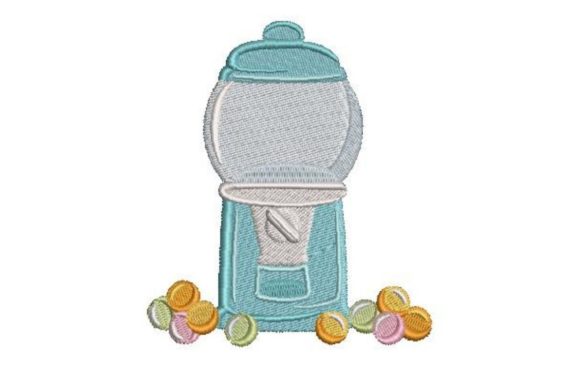
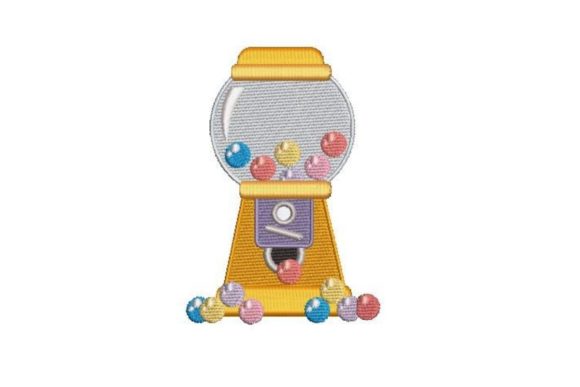
When I first opened the Gumball Machine embroidery file in my software, I felt an immediate rush of nostalgia. This is not just another generic motif. The design captures that classic glass globe, the little turn knob, and the colorful gumballs inside with a sweetness that instantly transports you to childhood trips to the corner store or a hometown candy shop. For a machine embroidery design intended for personalized gifts, that emotional pull is pure gold.
The mood of the design is undeniably playful yet it carries a handmade charm that keeps it from feeling cartoonish. The detail level strikes a thoughtful balance. You can see individual gumball shapes suggested through clever stitch work without the piece becoming overly dense or stiff. For a personalized gift, this means the finished product feels considered and intentional, not mass-produced. It reads as sweet and classic rather than trendy, which extends its shelf life in your product lineup considerably.
As someone who tests designs before they ever touch a customer order, I look for that rare quality where a single motif can anchor an entire gift category. The Gumball Machine design has it. Its charm spans generations, making it equally fitting on a nursery item as on a kitchen towel destined for a grandparent who remembers real penny candy counters.
Who Falls in Love With This Design
After running several mockups and sharing preview images with a small circle of fellow makers, a clear buyer profile emerged. The primary audience splits into two strong groups. First, there are baby and child gift shoppers. New parents, grandparents, and baby shower attendees gravitate toward imagery that feels innocent and joyful. A baby embroidery piece featuring a gumball machine suggests wonder and treats without the overused pastel animal motifs.
The second group surprised me a bit. Wedding and anniversary gift buyers responded beautifully to this design when presented in the right context. The gumball machine becomes a symbol of shared childhood memories, first dates, or a playful love story. For a wedding gift, stitching this on a pillow cover or a set of kitchen towels can feel deeply personal without being overly sentimental. The design sparks conversation and invites storytelling, which is exactly what a thoughtful handmade gift should do.
Beyond those core audiences, Etsy seller peers and craft fair vendors have noted that the design performs well as an impulse buy item. When shoppers see it stitched on a tote bag or an apron at a market booth, it stops them. The recognition is instant and the smile it brings often leads to a sale before they even check the price.
Best Products for the Gumball Machine Embroidery
Over the years, I have learned that a strong design needs the right canvas. The Gumball Machine motif shines brightest on flat, stable surfaces where its rounded silhouette and interior details can be fully appreciated. My top recommendations for finished product applications include:
- Pillow covers — A crisp cotton or linen pillow cover lets the stitch definition pop and turns a simple throw pillow into a nostalgic statement piece for a living room or nursery.
- Kitchen towels — An embroidered towel featuring this design makes a charming hostess gift or a cheerful addition to a kitchen. The white flour sack style works especially well, letting the thread colors take center stage.
- Tote bags — Canvas totes offer a sturdy base and generous printable area. A gumball machine on a tote feels like wearable nostalgia and attracts attention at farmers markets and craft fairs.
- Baby blankets — For blanket embroidery, placing the design in a corner of a soft cotton or muslin blanket creates a beautiful heirloom feel without overwhelming the fabric.
- Aprons — A half apron with the design centered on the pocket panel makes a delightful gift for a baker or someone who loves vintage kitchen aesthetics.
- Nursery decor items — Framed hoop art using this design can hang in a child's room and become a keepsake that stays with the family for years.
Each of these products benefits from the design's rounded, self-contained shape. It does not require a sprawling placement area and it reads clearly even when scaled to a moderate size, making it versatile across your handmade product catalog.
Where to Stitch With Extra Care
No design is universally foolproof and the Gumball Machine motif deserves your attention in a few specific scenarios. The interior gumball details, while not overly delicate, do rely on clean stitch paths. On textured fabric like thick terry cloth towels or heavily napped blankets, those small circular elements can lose definition. I recommend testing on a scrap of the exact fabric you plan to use before committing to a customer order.
Dark fabric presents another consideration. The design's charm hinges partly on contrast between the glass globe outline and the colorful gumball accents. On black or navy backgrounds, you may need to adjust thread colors to maintain that pop. A bright white or cream base fabric remains my preference, though a soft pastel can also work beautifully for baby embroidery projects.
Be cautious with stretchy baby clothes and onesies. The design can be used on these items but requires a proper cutaway stabilizer and potentially a slightly reduced stitch density to prevent puckering. Curved surfaces like the side of a toddler hat or a cylindrical makeup bag also pose challenges; the rounded nature of the gumball machine can warp if the hoop placement is not perfectly aligned. Always do a test stitch on a curved sample before offering it as a custom embroidery option.
How This Design Boosts Gift Appeal
I evaluate every design through the lens of giftability. A product that looks machine-made will sit on a shelf. A product that carries visible handmade product quality and emotional warmth moves quickly. The Gumball Machine design consistently scores high on both fronts. When a customer sees this stitched on a blanket or towel, they immediately assign it a higher perceived value because it feels personal and nostalgic.
From a product photography standpoint, this motif photographs beautifully. The circular composition frames nicely in square Instagram crops and the playful subject matter encourages lifestyle shots with props like actual gumballs, vintage scales, or children's hands reaching toward the finished piece. Strong visuals translate directly into buyer engagement on platforms like Etsy and at in-person markets.
Customer trust builds when your product line tells a coherent story. Including the Gumball Machine design alongside other vintage toy or candy-themed pieces creates a recognizable brand aesthetic that keeps shoppers returning. They begin to associate your shop with that warm, nostalgic feeling and they trust that any new release will carry the same handmade quality they have come to expect.
Practical Stitching Notes from My Test Run
Before you load this embroidery file onto your machine for a paying order, run through a thorough test on scrap fabric. Here are the specific checkpoints I worked through during my evaluation:
- Thread color contrast — The gumballs inside the globe need to stand apart from the background fabric and from each other. I tested several thread palettes and found that slightly saturated jewel tones read better than pale pastels, especially from a distance.
- Stitch density review — The design did not feel overly dense in my test, but always verify this on your specific fabric and stabilizer combination. Overly dense stitching on lightweight fabric can cause stiffness and discomfort, particularly on baby items.
- Hoop size confirmation — Check the exact dimensions of the design file against your available hoops. The product description indicates multiple formats are included, but you should verify the stitch area fits your machine's capabilities before listing it in your shop.
- Stabilizer choice — For cotton and linen products, a medium-weight cutaway stabilizer worked well in my tests. For towels, I added a water-soluble topper to prevent the stitches from sinking into the pile.
- Light versus dark fabric mockups — I ran the design on cream, pale blue, and charcoal fabrics. The cream and pale blue yielded excellent results. The charcoal required thread color adjustments to maintain visibility.
- Post-stitch inspection — After the final stitch, examine the small gumball circles and the knob detail area. Any thread breaks or tension inconsistencies will be most visible in these tighter sections.
- Wash testing — Products that need frequent washing, such as baby blankets and kitchen towels, should be laundered at least once after stitching to confirm the design holds up. Check for any thread loosening or color bleeding before shipping to a customer.
Also remember to confirm your commercial embroidery licensing status before selling finished items. The product description mentions multiple file formats, which is convenient, but you must ensure the license covers physical items sold to end customers if that is your intended use. Many digital embroidery file purchases include personal use rights only, so verify this detail to protect your small shop product business.
Thread Colors and Fabric Choices That Work
Selecting the right thread colors transforms this design from cute to compelling. I found that a classic red or cherry-toned thread for the machine base creates a strong vintage candy shop feel. For the glass globe, a light gray or soft silver outline gives structure without harshness. The gumballs themselves should feature a mix of bright tones. Scarlet, cobalt blue, sunny yellow, and leaf green in small alternating blocks capture that authentic gumball look.
On the fabric texture front, smooth cotton poplin, linen blends, and quality quilting cotton all performed well in my tests. These fabrics allow the stitch definition to shine and hold up through multiple washes when paired with proper stabilizer. For blanket embroidery, look for cotton muslin or a smooth minky alternative rather than heavily textured fleece, which can swallow the delicate interior details.
Selling Finished Products With Confidence
For Etsy seller colleagues and craft fair vendors, the Gumball Machine design deserves a prominent spot in your catalog. I recommend creating at least three distinct product types using this single motif to maximize your design investment. A nursery pillow cover, a kitchen towel set, and a canvas tote bag give you price point variety and appeal to different buyer segments without requiring additional design purchases.
When listing these items, use printable mockup images that show the design in lifestyle settings. A styled flat lay with a few actual gumballs beside the stitched piece can increase click-through rates noticeably. For custom order previews, having a clean digital mockup ready to send to a customer before stitching builds trust and reduces revision requests.
As a personalized gift option, consider adding a name or initials beneath the gumball machine in a simple script font. This elevates the piece into a truly custom embroidery offering that commands a higher price point and appeals strongly to baby shower and wedding gift shoppers. Just ensure your font choice complements the playful yet classic mood of the main design.
The Toys category influence is clear in the design's spirit, but the application stretches far beyond children's items into sophisticated Embroidery work for the home and everyday life. That versatility is what makes this design a smart addition to any maker's library. Test it thoroughly, style it thoughtfully, and watch how a simple gumball machine can become one of your best-selling motifs.