Green Veteran Badge: A Designer's Review for Handmade Markets
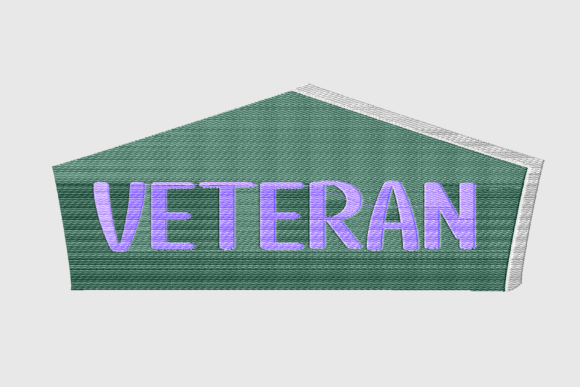
When I first opened the Green Veteran Badge design, I immediately felt its weight. This is not a playful or trendy motif. It carries a quiet dignity that is rare in the craft fair world. The design reads as honorable, grounded, and deeply respectful, leaning into a classic military aesthetic without feeling overly formal. The green palette suggests a connection to service branches that wear olive and forest tones, and the badge structure gives it an official, almost heirloom quality. For a Remembrance category product, it strikes exactly the right tone — proud but never loud.
From a seller's perspective, this is the kind of machine embroidery design that stops a browser mid-step. Someone walking past your booth may not need another floral tea towel, but a piece that honors a veteran in their life? That triggers an emotional pause. And emotional pauses convert to sales. The design feels premium and purposeful, which means you can position finished products at a higher price point confidently.
First Booth Impression and Emotional Pull
In a busy craft fair setting, you have about three seconds to catch attention. The Green Veteran Badge achieves that through strong silhouette recognition. Badge shapes are universally understood. A shield or crest-like form reads instantly as something official and meaningful. Customers scanning a table of embroidered caps, pouches, and tote bags will register the design as distinct and intentional before they even process the details. That is pure selling power.
The emotional pull here is genuine. The product description mentions creating a gift for a special veteran in your family, and that messaging aligns perfectly with how handmade shoppers think. They are not just buying a thing. They are buying a way to say thank you. When you display this design stitched on a cap or a backpack at your booth, you are not just showing a product — you are showing a sentiment ready to be given. That narrative sells.
Where Green Veteran Badge Shines Brightest
After evaluating stitch flow and visual balance, I see a few clear winners for product application. The design commands attention as a large focal piece, so products with a broad flat stitching area perform best. Here is where I would place it for maximum booth impact:
- Caps and structured hats: The badge format is literally made for headwear. Stitch it centered on the front panel. The curve of a cap can challenge some designs, but badge shapes with clean outer borders tend to hold visual integrity well on curved surfaces. Test the design on a scrap cap first and use a firm cutaway stabilizer to prevent distortion.
- Tote bags and market bags: A sturdy canvas tote with this design centered creates a product that feels substantial and gift-ready. The green thread against natural or black canvas is striking. This is a strong tote bag design for anyone who wants their booth to feel more heritage-driven.
- Backpacks and large pouches: Stitch it on the front pocket of a simple fabric backpack. The scale of the design suits larger surfaces, and a backpack is a functional gift a veteran might actually use daily.
- Pillow covers: A textured natural linen or cotton canvas pillow cover embroidered with this badge makes a thoughtful remembrance piece for a living room or study. Display one prominently at your booth and watch veterans and their families pause.
For smaller items like zipper pouches or slim patches, I would exercise caution. If the design includes fine text or intricate interior detail, reducing it below four inches wide could compromise legibility. Always test the stitch density at your intended size on matching fabric before committing to a production run.
Small Accent or Hero Design? Placement Strategy
The Green Veteran Badge is not a subtle accent piece. It wants to be the hero. As an embroidery designer, I read the visual weight of a design before I ever hoop fabric, and this one carries a lot of presence. It works best as a centered standalone motif rather than something tucked into a corner. On an apron, place it high on the chest. On a tea towel, center it and let generous negative space around the badge frame the design with reverence.
That said, you could pair it with a simple name or date underneath for custom orders. A last name and years of service stitched in a clean sans-serif font beneath the badge transforms the product into a personalized memorial piece. At a craft fair, offering on-site customization like this can justify premium pricing and set you apart from other vendors.
Thread Colors, Fabric Choices, and Visual Contrast
Green is the dominant thread color, and your fabric choice will make or break the design's impact. On natural cotton, cream, khaki, and oatmeal fabrics, the green reads as earthy and grounded — a very classic military feel. On black or charcoal fabric, the green pops with more contrast and feels slightly more modern and crisp. Both approaches work, but they create different moods. I would bring samples in both palettes to a craft fair and observe which attracts more attention.
A few cautions: avoid heavily textured fabrics like thick terry towels for the first run. The details in a badge design may lose crispness on uneven pile. If you absolutely want to offer tea towel embroidery, choose a smooth flat-weave cotton or linen blend and use a water-soluble topper to keep stitches clean on the surface. For apron embroidery, a medium-weight cotton canvas or denim apron is ideal. Twill and duck cloth hold dense stitching beautifully.
Production Practicalities: What to Watch For
Let me talk directly to the makers who will be hooping this at midnight before a market weekend. The Green Veteran Badge is likely to contain areas of dense stitching, especially if it includes filled satin columns, layered borders, or small interior shapes. Dense areas on thin fabric can cause puckering. Use a cutaway stabilizer for stability on garments and bags. For caps, a heavy tear-away backing specifically designed for structured hats is essential.
Tiny details and small lettering deserve your full attention during the test stitch. If the design includes any text elements like a motto, a year, or a service branch reference, scrutinize them at the finished size. Letters under a quarter-inch tall can close up with thread buildup, especially if the stitch angle is not perfectly optimized. Do not trust the digital preview alone. A real fabric test stitch is the only way to verify what your customer will receive.
Hoop size matters too. This design likely requires a mid-size or larger hoop — think five by seven inches or bigger — to maintain internal detail integrity. Check the design specifications before purchasing the digital embroidery file and confirm it fits your machine's capabilities. Nothing stalls a crafting session faster than discovering a design needs a hoop you do not own.
Photographing Green Veteran Badge for Etsy and Online Listings
Etsy sellers and online shop owners need to think about how the design photographs. Green can be tricky under certain lighting. Harsh studio lights can wash it out, making it look flat, while dim warm light can shift the green toward brown. Natural daylight near a window is your best friend here. Photograph the finished product on a neutral background that does not compete with the thread color.
For printable mockups in your listings, show the design on multiple products. A cap mockup, a tote bag mockup, and a close-up detail shot that reveals stitch texture. Buyers shopping for Remembrance embroidery are often purchasing emotionally, and they want to feel the quality. A sharp close-up of clean satin stitches will do more selling than ten distant shots of a folded shirt.
Booth Display Ideas That Drive Engagement
At a craft fair, your display needs to tell a story faster than your mouth can. For the Green Veteran Badge, I recommend creating a small dedicated section of your table that feels like a cohesive remembrance collection. Place a finished cap on a stand at eye level. Hang a tote bag on a hook behind the table. Lay a pillow cover flat where hands can reach and touch. The tactile experience of embroidered texture converts skeptics into buyers.
Consider including a small sign that says something simple like Honor Their Service — Hand Embroidered Gifts. You do not need to overexplain. The design speaks, and your display just frames the conversation. If you are comfortable offering custom text additions like names or dates, mention it clearly on a small table card. That option alone can double your conversion rate on a remembrance piece.
Brand Consistency and Repeatable Production
One reason I like badge-style designs for small shop production is their consistency across products. The Green Veteran Badge creates a recognizable look whether you stitch it on a cap, a backpack, or a fabric pouch. That cohesion makes your booth look intentional and your brand more memorable. When customers see the same thoughtful emblem repeated on different items, they perceive you as a specialist rather than someone who just tossed a design onto whatever was nearby.
The design is also repeatable for batch production. Once you dial in your stabilizer, thread tension, and hoop placement, you can stitch multiple units efficiently. This matters deeply when you are preparing inventory for a multi-day market or restocking between weekends. A design that requires constant adjustment between items eats into your margin quickly.
Important Pre-Production Checklist
Before you commit to a full inventory run with the Green Veteran Badge, work through this practical checklist I use for every new commercial embroidery design I evaluate:
- Run at least one complete test stitch on scrap fabric that matches your intended product material.
- Check thread contrast on both light and dark fabric options to confirm the green reads clearly.
- Review spacing and interior detail at the exact finished size you plan to sell.
- Confirm hoop size requirements match your machine's capabilities.
- Inspect stitch density — look for overly dense areas that might cause thread breaks or fabric damage.
- Use the correct stabilizer for your fabric type and product structure.
- Create at least one real mockup product to photograph and display before producing multiples.
- Compare fabric color options side by side to select your booth inventory palette.
- Confirm commercial licensing allows you to sell finished physical products created with the design if you are operating as a small business.
Do not skip the test stitch. I have learned that lesson the expensive way more than once. A design can look flawless on screen and still surprise you under the needle. Your reputation at a craft fair travels on the quality of what hangs on your table, not on what looked good in your embroidery software.
Who Buys This and Why
The customer for Green Veteran Badge products is often shopping with a specific person in mind. They are a spouse, child, grandchild, or friend of a veteran. They may be looking for a birthday gift, a Veterans Day tribute, a retirement present, or a memorial piece. This is not typically an impulse buy driven by cuteness or trend. It is a heartfelt purchase. Your job as the maker is to present the finished product in a way that honors that intention.
Because the purchase is emotionally driven, packaging matters. A simple tissue wrap with a small thank-you note can elevate the entire experience. If you sell on Etsy, mention in your listing description that the item makes a meaningful gift for a veteran. That phrasing helps your product surface in searches and resonates with the buyer's intent.
Final Stitch Note: Is It Worth Your Booth Space?
I evaluate every design by one question: will it earn its place on the table? For the Green Veteran Badge, the answer is a clear yes if your customer base includes patriotic shoppers, military families, or anyone who values remembrance and service. The design fills a specific emotional niche that floral patterns, holiday motifs, and trendy quotes simply cannot reach. It adds depth to your product lineup and signals that your handmade shop understands what matters to people.
Approach it with the care it deserves. Test thoroughly. Choose your fabrics with intention. Display it with quiet pride. Done right, this is not just another craft fair product. It is a small piece of honor stitched into something tangible. And in a world of fleeting trends, that kind of product stays sold.